

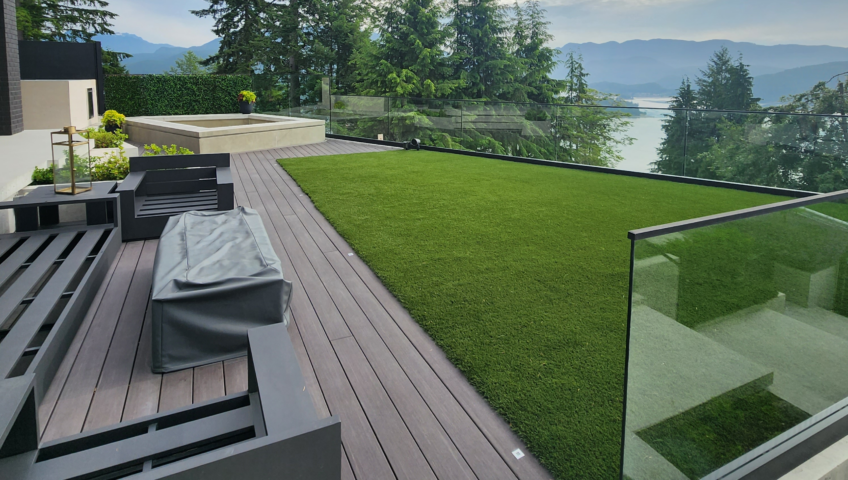
A healthy, green, and well-maintained lawn is an important part of many homes across Vancouver. For homeowners who value curb appeal, outdoor comfort, and long-term property presentation, the condition of the lawn often plays a major role in how the entire property feels. However, maintaining consistent grass growth in this region can be challenging due to frequent rainfall, shifting seasonal temperatures, and varying soil conditions.
Because of these challenges, sod installation has become a popular solution for homeowners who want a faster and more dependable way to achieve a finished lawn. Instead of waiting for grass seed to germinate, sod provides an already mature grass surface that begins adapting to the soil shortly after installation.
While sod delivers immediate visual improvement, its long-term success depends on correct preparation, proper installation techniques, and consistent aftercare. Understanding each stage allows homeowners to make informed decisions and avoid common mistakes that can affect lawn quality.
Understanding Sod Installation
Sod installation is the process of laying pre-grown grass that has been carefully cultivated on professional sod farms. This grass is harvested in rolls or sections and transported to residential properties where it is installed over prepared soil.
Unlike traditional seeding, sod provides instant coverage, which makes it especially appealing for homeowners who want quick visual improvement or are preparing their property for family use, gatherings, or resale.
However, sod is not simply placed on top of soil. It requires a properly prepared foundation so that roots can grow downward and integrate with the soil beneath. Without proper preparation, even high-quality sod may struggle to establish long-term strength.
Why Sod Works Well in Vancouver
Vancouver’s environment presents both benefits and challenges for lawn development. The region experiences frequent rainfall, mild temperatures, and seasonal transitions that can make natural grass growth inconsistent.
Homeowners often deal with uneven germination, soil compaction caused by moisture, weed competition, and shaded areas that affect growth patterns. These issues can make traditional seeding unpredictable and time-consuming.
Sod helps overcome these challenges by providing a fully developed grass layer that is already dense and established. Once installed correctly, it begins rooting into the soil, offering a more stable, uniform, and visually consistent lawn.
Step 1: Site Evaluation and Planning
Before sod installation begins, a detailed site evaluation is essential. This step ensures that the ground conditions are suitable for healthy grass growth and helps identify any potential issues early.
Professionals typically assess drainage patterns, sunlight exposure, soil composition, slope, and the current condition of any existing lawn. These factors directly influence how well the sod will perform after installation.
Proper planning also includes accurate measurement of the lawn area. This ensures the correct amount of sod is ordered, reducing waste and ensuring full coverage without gaps or shortages.
For homeowners in Vancouver who value long-term property investment, this step is important because it sets the foundation for a durable and visually balanced lawn.
Step 2: Soil Preparation
Soil preparation is one of the most critical stages in the sod installation process. Even high-quality sod will not perform well if the soil beneath it is compacted or lacking proper nutrients.
The process typically includes removing old grass, weeds, rocks, and debris to create a clean working surface. After that, the soil is loosened to improve air circulation and water absorption, allowing roots to grow more effectively.
In some cases, additional topsoil or organic material may be added to improve soil structure and create a healthier growing environment. This step is especially important in residential areas where soil quality may vary from one property to another.
Proper soil preparation ensures that the sod has the best possible chance to establish strong roots and maintain long-term health.
Step 3: Grading and Leveling
Once the soil is prepared, grading is performed to create a smooth and even surface. This step is essential for proper water drainage and overall lawn appearance.
Good grading ensures that water flows away from the home and does not collect in low areas, which can lead to uneven growth or weak patches in the lawn.
In Vancouver’s rainy climate, drainage is particularly important. Poor grading can result in waterlogged soil, which negatively affects root development and overall lawn stability.
A properly graded surface also improves the visual quality of the finished lawn, creating a clean and professional appearance.
Step 4: Selecting the Right Sod
Different types of sod are designed for different environmental conditions. Choosing the right variety is important for long-term performance.
Homeowners should consider factors such as sunlight exposure, moisture levels, maintenance requirements, and desired appearance. Some grass types perform better in shaded areas, while others are better suited for full sun or high-moisture environments.
Selecting the right sod ensures the lawn remains healthy through seasonal changes and continues to perform well over time.
Step 5: Installation Process
During installation, sod is laid in a staggered pattern similar to brickwork. This technique helps reduce visible seams and supports even growth across the entire lawn.
Each section is placed tightly against the next to eliminate gaps where weeds could develop. Edges are carefully trimmed to match the shape of the property and surrounding landscape features.
After placement, a roller is used to press the sod firmly into the soil. This step improves root contact and removes air pockets, allowing the sod to begin establishing itself more effectively.
Step 6: Watering and Early Care
Watering is one of the most important factors in early sod development. Immediately after installation, the lawn requires consistent moisture to support root growth.
In the early stages, frequent watering helps keep the soil hydrated while preventing the sod from drying out. Over time, watering frequency is gradually reduced as the roots become more established.
During this stage, homeowners should also avoid heavy foot traffic to prevent shifting or damaging newly installed sections.
Step 7: Root Establishment and Maintenance
As the sod begins to establish roots, it gradually integrates with the underlying soil and becomes more stable. This process depends on weather conditions, soil quality, and ongoing care.
Regular maintenance includes mowing at the appropriate height, adjusting watering schedules based on seasonal changes, and applying fertilizer when necessary to support healthy growth. Over time, a well-maintained sod lawn becomes stronger, more resilient, and blends naturally into the surrounding landscape.
Common Mistakes to Avoid
Many sod installation problems occur due to preventable mistakes. Being aware of these issues before starting the project helps ensure the lawn develops properly and maintains long-term health. The most common errors homeowners make include:
- Poor soil preparation. Skipping or rushing the soil preparation stage leads to compacted ground where sod roots cannot penetrate effectively, resulting in weak patches and uneven growth over time.
- Incorrect watering practices. Overwatering or underwatering during the early establishment period is one of the leading causes of sod failure. Consistent moisture is essential in the first few weeks, gradually reduced as roots take hold.
- Walking on the lawn too early. Foot traffic on newly installed sod before roots have established causes sections to shift, creating gaps and uneven surfaces that are difficult to correct after the fact.
- Uneven or rushed installation. Laying sod without tight seams, proper edge trimming, or rolling allows air pockets and weed growth to develop beneath the surface, compromising the entire lawn.
Why Professional Landscape Construction Matters
Professional landscape construction provides several advantages for homeowners who want reliable and lasting results. Experienced teams understand how to prepare soil correctly, manage drainage, and execute softscape and lawn installations in a way that supports long-term growth.
They also have experience working with local soil conditions and climate patterns, which is especially important in Vancouver, where weather and moisture levels can vary considerably throughout the year.
For homeowners who view their outdoor space as an extension of their living environment, working with a qualified landscape construction company offers peace of mind and better overall results.
Cost Considerations
The cost of sod installation depends on several factors, including property size, soil condition, sod type, and preparation requirements.
While sod installation may require a higher initial investment compared to seeding, it often provides faster results and reduces the likelihood of future lawn issues.
Conclusion
Sod installation is a practical and effective solution for Vancouver homeowners who want a healthy, attractive, and functional lawn without waiting for traditional seeding methods to take effect.
Success depends on proper preparation, careful installation, and consistent maintenance over time. When these elements are handled correctly, sod can significantly improve curb appeal and enhance the overall outdoor experience of a home.
For homeowners who value quality and long-term property improvement, professional landscape construction remains a reliable and worthwhile investment.
Why Homeowners Choose Professional Landscaping Support
Many Vancouver homeowners prefer working with experienced landscaping professionals because it reduces uncertainty and ensures better long-term results. A properly installed lawn is not only about appearance but also about how well it performs across changing seasons. Professional teams understand how local soil conditions, drainage patterns, and weather cycles influence lawn health.
For homeowners who prioritize property value and outdoor enjoyment, professional installation provides confidence that each step is handled correctly from preparation to final watering. Working with a full-service landscape construction company also ensures the lawn integrates well with the broader outdoor environment. Since 2013, we’ve served Vancouver and the greater Lower Mainland with a complete range of landscape construction services that complement and support a well-finished outdoor space, including the following:
- Softscape installation. Trees, plants, and ground cover selections are coordinated with your property’s design to create a cohesive, natural-looking outdoor environment that complements a finished lawn.
- Grading and drainage solutions. Proper re-grading and drainage work ensures water flows correctly across the property, protecting both the lawn and surrounding landscape features from moisture-related damage.
- Paving and pathways. Driveways, patios, and walkways are installed using quality paving stones that connect outdoor spaces and add long-term value to the property.
- Retaining walls. Functional wall construction manages sloped terrain and creates usable, level areas within the yard, supporting both aesthetics and structural stability.
This approach is especially valuable for families who want a usable outdoor space for relaxation, gatherings, and everyday enjoyment. A well-installed lawn becomes a foundation for outdoor living, supporting both lifestyle and property aesthetics over time.
Overall, professional landscape construction is not just a service but an investment in long-term home improvement and outdoor comfort for Vancouver homeowners.
Start Your Landscape Project in Vancouver Today
Contact us today to schedule a consultation and receive professional guidance on landscape construction tailored to your Vancouver property’s specific requirements and goals.